Buy projektstarter.eu ?
We are moving the project
projektstarter.eu .
Are you interested in purchasing the domain
projektstarter.eu ?
domain@kv-gmbh.de · 0541-91531010
Buy projektstarter.eu ?
How does the linguistic development progress?
Linguistic development progresses in stages, starting with the prelinguistic stage where babies communicate through crying, cooing, and babbling. This is followed by the one-word stage, where children begin to use single words to communicate their needs and wants. Then, they move on to the two-word stage, where they start combining words to form simple sentences. Finally, they reach the telegraphic stage, where they use more complex sentence structures and begin to understand grammar rules. Throughout these stages, children are constantly learning and expanding their vocabulary and language skills through exposure to language and interaction with others. **
Is linguistic design the same as linguistic devices?
No, linguistic design and linguistic devices are not the same. Linguistic design refers to the overall structure and organization of language, including factors such as syntax, semantics, and discourse patterns. On the other hand, linguistic devices are specific techniques or tools used within language to achieve certain effects, such as metaphors, similes, or alliteration. While linguistic devices are a part of linguistic design, they are just one component of the broader concept. **


Similar search terms for Linguistic
Top-Angebote
Products related to Linguistic:
-
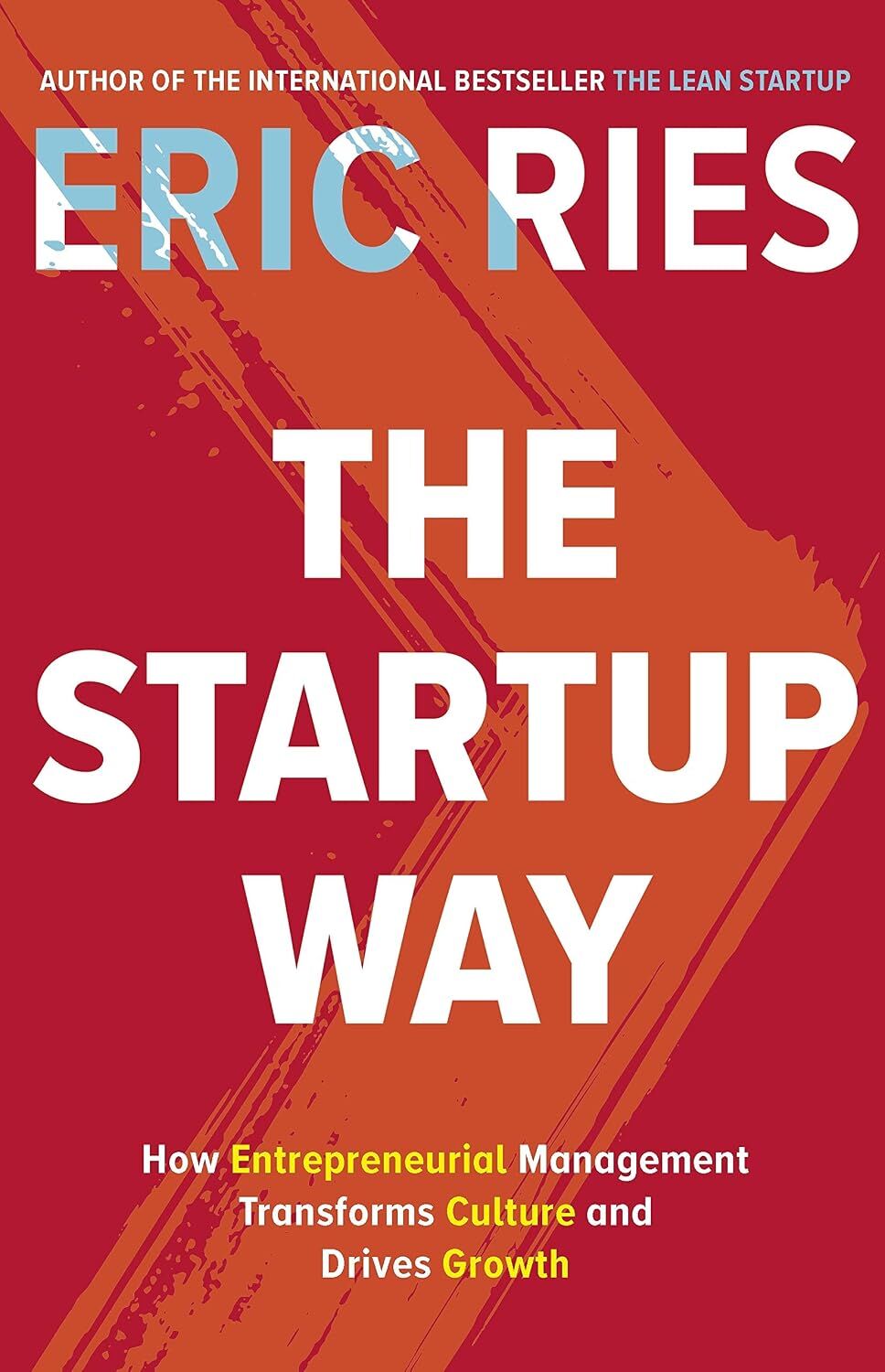
Portfolio Penguin Eric Ries Collection 2 Books Set - The Lean Startup & The Startup Way - Paperback - Business & Entrepreneurship Bundle for Founders and ManagersThis two-book collection brings together Eric Ries's most influential works on modern entrepreneurship: The Lean Startup and The Startup Way. Together they set out a rigorous, practical methodology for building successful businesses in conditions of extreme uncertainty, then show how those same lean principles can be scaled up to transform established, bureaucratic organisations. The Lean Startup introduced the world to concepts such as the minimum viable product, validated learning, and the build-measure-learn feedback loop. Drawing on his own experiences as a founder and advisor, Ries argues that startups succeed not through grand five-year plans but through rapid experimentation and continuous improvement. Ideal for founders, managers, and anyone curious about innovation, this set is a complete primer on lean thinking from the man who coined the term. The books are in brand new condition, published by Portfolio Penguin, and are suitable for adult readers.10,99 £*Shipping: 2,99 £Secure redirect to the provider
-
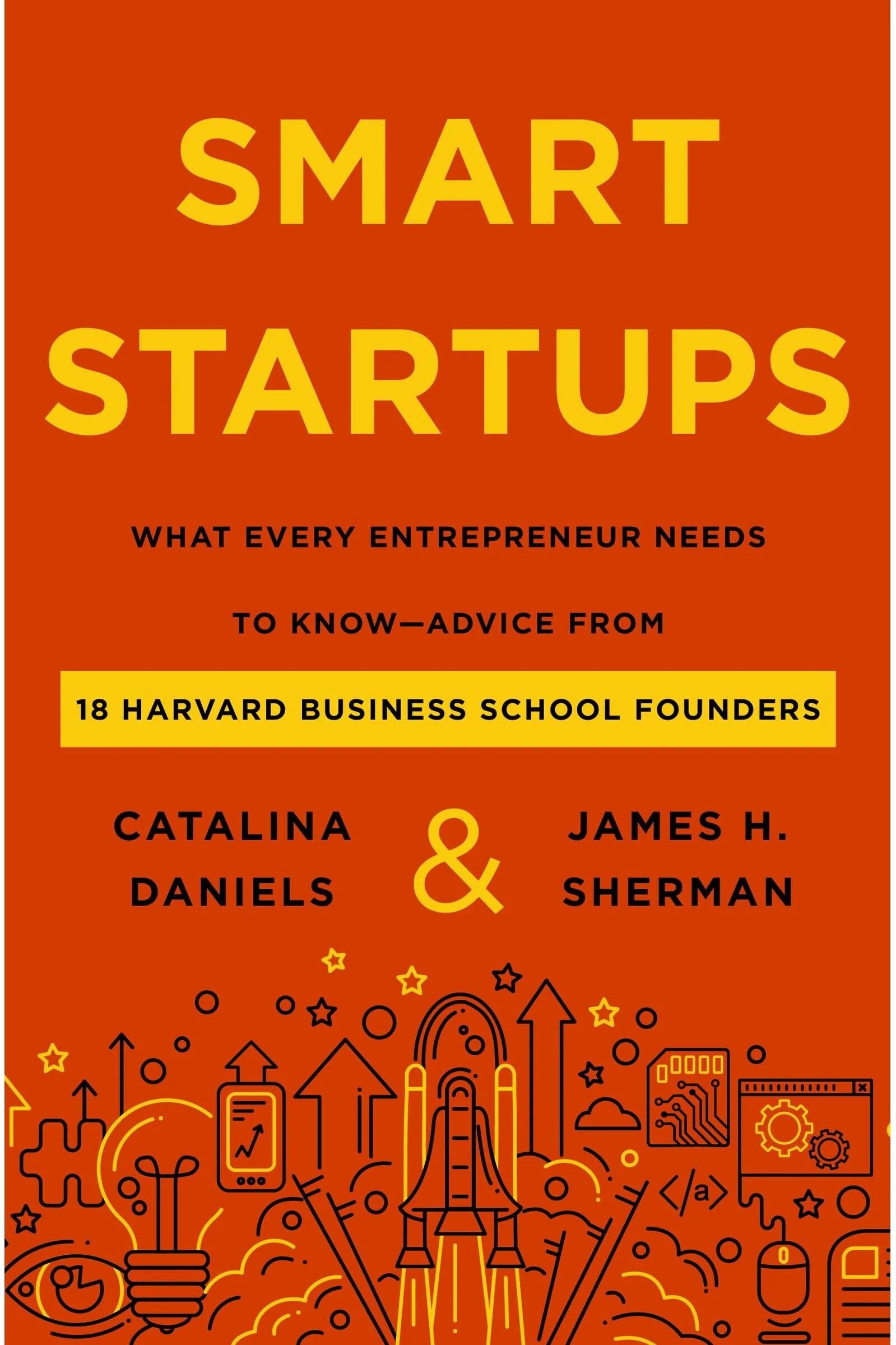
Harper Business Smart Startups: What Every Entrepreneur Needs to Know by Catalina Daniels & James H. Sherman - Hardback - Business & Entrepreneurship Non FictionSmart Startups: What Every Entrepreneur Needs to Know is a candid guide to building a company that lasts. Written by two Harvard Business School classmates turned founders and angel investors, it goes beyond classroom theory to show what actually happens inside eighteen startups launched by fellow HBS graduates. Packed with honest case studies, hard-won lessons, and unexpected pitfalls, this book is essential reading for anyone serious about turning an idea into a viable business. The authors, Catalina Daniels and James H. Sherman, met as classmates at Harvard Business School, where they studied the fundamentals of entrepreneurship together. Years later, after each had founded and exited multiple companies and become active angel investors, they discovered that their real-world experiences often diverged sharply from the conventional wisdom they learned in school.11,99 £*Shipping: 2,99 £Secure redirect to the provider
-
Self Made: The definitive guide to business startup success by Bianca Miller-ColeDescription. SELF-MADE IS A TRULY DEFINITIVE GUIDE; A 'GO-TO' BOOK FOR ALL ENTREPRENEURS AT ANY STAGE OF BUSINESS.. This authoritative, focused guide by two of the UK's brightest young entrepreneurs - The Apprentice runner-up, Bianca Miller and serial entrepreneur, Byron Cole - is a comprehensive toolkit for anyone who wants to make a success of running their own business. Featuring interviews with well known entrepreneurs, entertainers and industry experts, the book covers every tier of the business development process, from start-up to exit, offering practical, implementable and global advice on the start up process.. De-coding the jargon that is prevalent in business circles today, this book provides straightforward advice on converting an innovative business concept into a commercially viable proposition. It will help you to avoid the costly common mistakes of many who have gone before you, and create a sustainable enterprise that will flourish.. Title. Self Made: The definitive guide to business startup success by Bianca Miller-Cole. Delivery. Content. Reviews10,11 £*Shipping: 2,99 £Secure redirect to the provider
-
Hay House Uk She Means Business: Turn Your Ideas Into Reality And Become A Wildly Successful Entrepreneur - Non FictionTitle:. She Means Business: Turn Your Ideas Into Reality And Become A Wildly Successful Entrepreneur Format: Paperback. Overview:. She Means Business: Turn Your Ideas Into Reality And Become A Wildly Successful Entrepreneur stands as the definitive playbook for women poised to bridge the critical gap between dreaming and executing. Crafted by industry expert and mentor Katie Kresser, this high-energy non-fiction guide dismantles the persistent myths surrounding business success, replacing them with a rigorous, step-by-step framework designed for real-world implementation. Moving far beyond abstract motivation or fleeting inspiration, the book tackles the gritty, operational realities of launching a venture. Readers are guided through the essential processes of validating concepts before committing valuable resources, identifying scalable opportunities, and building robust systems that support growth. The narrative empowers women to transform raw ambition into tangible products and services that generate genuine, sustainable revenue. At its core, the message is unequivocal: success is not a product of luck or exclusive networking; it is the result of deliberate action, resilient thinking, and strategic foresight. 'She Means Business' offers a holistic approach where passion aligns seamlessly with profitability, ensuring that entrepreneurial journeys remain vibrant and viable for the long haul. What Makes This Book Stand Out:. Unlike generic corporate manuals or diluted self-help collections, this volume speaks directly to the unique psychological and practical hurdles faced by female founders and innovators. It distinguishes itself by demystifying complex business mechanics without sacrificing depth, translating jargon-free insights into immediate, actionable items. The content excels at addressing the internal blocks that frequently stall progress, such as perfectionism, the trap of comparison culture, and the paralyzing fear of public judgment. Katie provides tailored tactics to build unshakeable confidence while simultaneously sharpening commercial acumen and financial literacy. Every chapter functions almost like a workshop session, prompting readers to assess their current positioning, expose hidden liabilities, and design concrete next steps. The emphasis on reaching 'wild success' redefines achievement not merely as survival or side-income, but as creating abundant impact, financial freedom, and a lasting legacy. By merging mindset elevation with operational precision, the book serves as both a mirror for honest self-reflection and a compass for navigation, making it an indispensable asset for any woman determined to build a formidable empire. Who This Book Is Perfect For:. This guide resonates deeply with aspiring entrepreneurs who have nurtured a business concept for years yet struggle to cross the threshold from consideration to action. It is perfectly suited for side-hustlers looking to monetise their skills and transition into...14,99 £*Shipping: 2,99 £Secure redirect to the provider


-
What are non-linguistic signs and linguistic signs?
Non-linguistic signs are symbols or signals that convey meaning without the use of language, such as traffic lights, facial expressions, or body language. These signs rely on visual cues or gestures to communicate information. On the other hand, linguistic signs are symbols that represent specific meanings within a particular language system, such as words, letters, or numbers. Linguistic signs rely on the conventions and rules of language to convey meaning. **
-
What are good examples of linguistic and non-linguistic images?
Good examples of linguistic images include descriptive language that paints a vivid picture in the reader's mind, such as "the sun hung low in the sky, casting a warm golden glow over the fields." Non-linguistic images can include photographs, paintings, or other visual art that convey a specific mood or message without the use of words. For example, a photograph of a stormy sea with dark, churning waves can evoke a sense of danger and power without any accompanying text. Both linguistic and non-linguistic images can be powerful tools for communication and expression. **
-
What are linguistic peculiarities?
Linguistic peculiarities refer to unique or unusual features found in a language that set it apart from others. These can include specific grammar rules, pronunciation patterns, vocabulary choices, or cultural influences that shape the way a language is spoken or written. Linguistic peculiarities can vary widely from one language to another, making each language distinct and interesting in its own way. **
-
What is linguistic redundancy?
Linguistic redundancy refers to the use of unnecessary or repetitive words, phrases, or information in communication. It can often be seen as a form of over-explaining or providing more information than is needed to convey a message. While some level of redundancy can help clarify communication and ensure understanding, excessive redundancy can lead to inefficiency and confusion in language. Overall, linguistic redundancy can be both a helpful tool for emphasizing key points and a hindrance to clear and concise communication. **


What are linguistic aspects?
Linguistic aspects refer to the different components of language that are studied in linguistics. These aspects include phonetics (the study of speech sounds), phonology (the study of sound patterns), morphology (the study of word structure), syntax (the study of sentence structure), semantics (the study of meaning), and pragmatics (the study of language use in context). Understanding these linguistic aspects helps us analyze and interpret language in a systematic way. **
What are linguistic features?
Linguistic features are the characteristics of language that help to distinguish one language from another or one dialect from another. These features can include phonological features (such as the sounds used in a language), morphological features (such as word formation and inflection), syntactic features (such as word order and sentence structure), and semantic features (such as the meaning of words and how they are used in context). Linguistic features are essential for understanding and analyzing language and are used by linguists to study and compare different languages and dialects. **
Top-Angebote
Products related to Linguistic:
-
Zaffre Guilty by Definition: The instant Sunday Times bestselling linguistic mystery from Britain's wordsmith, Susie Dent (Clarendon Lexicographers)A coded letter. A missing woman. A truth waiting to be found. When an anonymous letter is delivered to the Clarendon English Dictionary office, it becomes rapidly clear that this is not the usual word-related enquiry. Instead, the letter hints at sinister events linked to a particular year. For editor Martha Thornhill, the date can mean only one thing: the summer her brilliant older sister Charlie went missing. Ten years on, Martha and her family are no closer to unravelling the mystery of Charlie's disappearance - until now. As more letters arrive, Martha and her team follow the linguistic clues to a troubling truth. It seems Charlie was keeping a powerful secret, and that someone is desperate to keep it well and truly buried. Guilty by Definition is a love letter not only to language but to the city of Oxford, wrapped within an intriguing mystery of a missing woman and considering the emotional aftershocks of her disappearance on those left behind.5,99 £*Shipping: 2,99 £Secure redirect to the provider
-
Portfolio Penguin Eric Ries Collection 2 Books Set - The Lean Startup & The Startup Way - Paperback - Business & Entrepreneurship Bundle for Founders and ManagersThis two-book collection brings together Eric Ries's most influential works on modern entrepreneurship: The Lean Startup and The Startup Way. Together they set out a rigorous, practical methodology for building successful businesses in conditions of extreme uncertainty, then show how those same lean principles can be scaled up to transform established, bureaucratic organisations. The Lean Startup introduced the world to concepts such as the minimum viable product, validated learning, and the build-measure-learn feedback loop. Drawing on his own experiences as a founder and advisor, Ries argues that startups succeed not through grand five-year plans but through rapid experimentation and continuous improvement. Ideal for founders, managers, and anyone curious about innovation, this set is a complete primer on lean thinking from the man who coined the term. The books are in brand new condition, published by Portfolio Penguin, and are suitable for adult readers.10,99 £*Shipping: 2,99 £Secure redirect to the provider
-
Harper Business Smart Startups: What Every Entrepreneur Needs to Know by Catalina Daniels & James H. Sherman - Hardback - Business & Entrepreneurship Non FictionSmart Startups: What Every Entrepreneur Needs to Know is a candid guide to building a company that lasts. Written by two Harvard Business School classmates turned founders and angel investors, it goes beyond classroom theory to show what actually happens inside eighteen startups launched by fellow HBS graduates. Packed with honest case studies, hard-won lessons, and unexpected pitfalls, this book is essential reading for anyone serious about turning an idea into a viable business. The authors, Catalina Daniels and James H. Sherman, met as classmates at Harvard Business School, where they studied the fundamentals of entrepreneurship together. Years later, after each had founded and exited multiple companies and become active angel investors, they discovered that their real-world experiences often diverged sharply from the conventional wisdom they learned in school.11,99 £*Shipping: 2,99 £Secure redirect to the provider
-
How does the linguistic development progress?
Linguistic development progresses in stages, starting with the prelinguistic stage where babies communicate through crying, cooing, and babbling. This is followed by the one-word stage, where children begin to use single words to communicate their needs and wants. Then, they move on to the two-word stage, where they start combining words to form simple sentences. Finally, they reach the telegraphic stage, where they use more complex sentence structures and begin to understand grammar rules. Throughout these stages, children are constantly learning and expanding their vocabulary and language skills through exposure to language and interaction with others. **
-
Is linguistic design the same as linguistic devices?
No, linguistic design and linguistic devices are not the same. Linguistic design refers to the overall structure and organization of language, including factors such as syntax, semantics, and discourse patterns. On the other hand, linguistic devices are specific techniques or tools used within language to achieve certain effects, such as metaphors, similes, or alliteration. While linguistic devices are a part of linguistic design, they are just one component of the broader concept. **
-
What are non-linguistic signs and linguistic signs?
Non-linguistic signs are symbols or signals that convey meaning without the use of language, such as traffic lights, facial expressions, or body language. These signs rely on visual cues or gestures to communicate information. On the other hand, linguistic signs are symbols that represent specific meanings within a particular language system, such as words, letters, or numbers. Linguistic signs rely on the conventions and rules of language to convey meaning. **
-
What are good examples of linguistic and non-linguistic images?
Good examples of linguistic images include descriptive language that paints a vivid picture in the reader's mind, such as "the sun hung low in the sky, casting a warm golden glow over the fields." Non-linguistic images can include photographs, paintings, or other visual art that convey a specific mood or message without the use of words. For example, a photograph of a stormy sea with dark, churning waves can evoke a sense of danger and power without any accompanying text. Both linguistic and non-linguistic images can be powerful tools for communication and expression. **
Similar search terms for Linguistic
-
Self Made: The definitive guide to business startup success by Bianca Miller-ColeDescription. SELF-MADE IS A TRULY DEFINITIVE GUIDE; A 'GO-TO' BOOK FOR ALL ENTREPRENEURS AT ANY STAGE OF BUSINESS.. This authoritative, focused guide by two of the UK's brightest young entrepreneurs - The Apprentice runner-up, Bianca Miller and serial entrepreneur, Byron Cole - is a comprehensive toolkit for anyone who wants to make a success of running their own business. Featuring interviews with well known entrepreneurs, entertainers and industry experts, the book covers every tier of the business development process, from start-up to exit, offering practical, implementable and global advice on the start up process.. De-coding the jargon that is prevalent in business circles today, this book provides straightforward advice on converting an innovative business concept into a commercially viable proposition. It will help you to avoid the costly common mistakes of many who have gone before you, and create a sustainable enterprise that will flourish.. Title. Self Made: The definitive guide to business startup success by Bianca Miller-Cole. Delivery. Content. Reviews10,11 £*Shipping: 2,99 £Secure redirect to the provider
-
Hay House Uk She Means Business: Turn Your Ideas Into Reality And Become A Wildly Successful Entrepreneur - Non FictionTitle:. She Means Business: Turn Your Ideas Into Reality And Become A Wildly Successful Entrepreneur Format: Paperback. Overview:. She Means Business: Turn Your Ideas Into Reality And Become A Wildly Successful Entrepreneur stands as the definitive playbook for women poised to bridge the critical gap between dreaming and executing. Crafted by industry expert and mentor Katie Kresser, this high-energy non-fiction guide dismantles the persistent myths surrounding business success, replacing them with a rigorous, step-by-step framework designed for real-world implementation. Moving far beyond abstract motivation or fleeting inspiration, the book tackles the gritty, operational realities of launching a venture. Readers are guided through the essential processes of validating concepts before committing valuable resources, identifying scalable opportunities, and building robust systems that support growth. The narrative empowers women to transform raw ambition into tangible products and services that generate genuine, sustainable revenue. At its core, the message is unequivocal: success is not a product of luck or exclusive networking; it is the result of deliberate action, resilient thinking, and strategic foresight. 'She Means Business' offers a holistic approach where passion aligns seamlessly with profitability, ensuring that entrepreneurial journeys remain vibrant and viable for the long haul. What Makes This Book Stand Out:. Unlike generic corporate manuals or diluted self-help collections, this volume speaks directly to the unique psychological and practical hurdles faced by female founders and innovators. It distinguishes itself by demystifying complex business mechanics without sacrificing depth, translating jargon-free insights into immediate, actionable items. The content excels at addressing the internal blocks that frequently stall progress, such as perfectionism, the trap of comparison culture, and the paralyzing fear of public judgment. Katie provides tailored tactics to build unshakeable confidence while simultaneously sharpening commercial acumen and financial literacy. Every chapter functions almost like a workshop session, prompting readers to assess their current positioning, expose hidden liabilities, and design concrete next steps. The emphasis on reaching 'wild success' redefines achievement not merely as survival or side-income, but as creating abundant impact, financial freedom, and a lasting legacy. By merging mindset elevation with operational precision, the book serves as both a mirror for honest self-reflection and a compass for navigation, making it an indispensable asset for any woman determined to build a formidable empire. Who This Book Is Perfect For:. This guide resonates deeply with aspiring entrepreneurs who have nurtured a business concept for years yet struggle to cross the threshold from consideration to action. It is perfectly suited for side-hustlers looking to monetise their skills and transition into...14,99 £*Shipping: 2,99 £Secure redirect to the provider
-
The Startup Way & The Lean Startup 2 Books Collection Set by Eric Ries - Non Fiction - PaperbackTitles in This Set:. The Startup Way. The Lean Startup Condition: BRAND NEW. Format: Paperback. ISBN: 9780670921607 Overview:. This two-book collection brings together Eric Ries’s foundational works for anyone who wants to understand how lean principles can reshape both new ventures and established enterprises. The Startup Way extends the lean mindset from startups to large organisations, showing how the startup ethos can breathe new life into even bureaucratic corporations. It draws on inside stories of transformations at multinationals like General Electric and Toyota, as well as at tech giants such as Amazon and Facebook, and innovative upstarts like Airbnb and Twilio. The Lean Startup, renowned for introducing a practical, repeatable framework for turning ideas into successful products, teaches readers to identify what customers really want and to validate those assumptions through rapid experiments. Together, these two books offer a comprehensive approach to entrepreneurial management that enables rapid learning, sustained growth, and adaptable leadership in uncertain environments. What Makes This Collection Special:. This pairing captures the spectrum from concept to execution. The Lean Startup provides the practical toolkit—minimum viable product, A/B testing, and pivoting—that startups and intrapreneurs use to test ideas quickly and cheaply. The Startup Way translates those tools into organisational strategy, offering a blueprint for embedding experimentation across teams, departments, and leadership levels. Readers gain not just a theory, but a proven mindset that can transform how a company discovers opportunities, allocates resources, and scales impact. The set is especially valuable for entrepreneurs, managers, students, and gift buyers who want a coherent, step-by-step path from idea to impact within both small ventures and large organisations. Books Included in This Collection:. The Startup Way. The Startup Way expands entrepreneurial thinking to the corporate world, sharing actionable insights drawn from real-world transformations at major corporations and tech disruptors. It presents a practical framework for entrepreneurial management designed to kick-start innovation and deliver sustained growth, even in uncertain conditions. This title is ideal for readers who want a guide to turning ambitious ideas into systemic change within established organisations, making it a compelling companion to The Lean Startup in the same collection. The Lean Startup. The Lean Startup is a blueprint for building products through continuous testing and learning. It emphasizes identifying what customers truly want and validating those assumptions with rapid experiments before committing heavy resources. The approach centers on concepts like a minimum viable product, ongoing iteration, and pivoting when feedback signals a new direction. With over a million copies sold globally, this book has become essential reading for ambitious entrepreneurs and...10,99 £*Shipping: 2,99 £Secure redirect to the provider
-
Thunderworks Games Tenpenny Parks Innovation Expansion - Strategic Park ManagementTake your Tenpenny Parks experience further with the Innovation expansion from Thunderworks Games. Develop new ideas for your park, recruit additional specialists, and introduce exciting novelties that can change the way you plan and build. This expansion adds fresh strategic options to the park-management gameplay of Tenpenny Parks. Use research to improve your development plans, bring new specialists into your team, and create more distinctive attractions as you compete to shape a successful park. What’s included: Key features: - New innovation-focused content for Tenpenny Parks - Additional specialists to support your plans - New research and novelty options - More strategic choices during development Please note: This is an expansion and requires the Tenpenny Parks base game to play. It is suitable for players who want to add variety and further strategic depth to their existing game.35,99 £*Shipping: 3,95 £Secure redirect to the provider
-
What are linguistic peculiarities?
Linguistic peculiarities refer to unique or unusual features found in a language that set it apart from others. These can include specific grammar rules, pronunciation patterns, vocabulary choices, or cultural influences that shape the way a language is spoken or written. Linguistic peculiarities can vary widely from one language to another, making each language distinct and interesting in its own way. **
-
What is linguistic redundancy?
Linguistic redundancy refers to the use of unnecessary or repetitive words, phrases, or information in communication. It can often be seen as a form of over-explaining or providing more information than is needed to convey a message. While some level of redundancy can help clarify communication and ensure understanding, excessive redundancy can lead to inefficiency and confusion in language. Overall, linguistic redundancy can be both a helpful tool for emphasizing key points and a hindrance to clear and concise communication. **
-
What are linguistic aspects?
Linguistic aspects refer to the different components of language that are studied in linguistics. These aspects include phonetics (the study of speech sounds), phonology (the study of sound patterns), morphology (the study of word structure), syntax (the study of sentence structure), semantics (the study of meaning), and pragmatics (the study of language use in context). Understanding these linguistic aspects helps us analyze and interpret language in a systematic way. **
-
What are linguistic features?
Linguistic features are the characteristics of language that help to distinguish one language from another or one dialect from another. These features can include phonological features (such as the sounds used in a language), morphological features (such as word formation and inflection), syntactic features (such as word order and sentence structure), and semantic features (such as the meaning of words and how they are used in context). Linguistic features are essential for understanding and analyzing language and are used by linguists to study and compare different languages and dialects. **
* All prices are inclusive of VAT and, if applicable, plus shipping costs. The offer information is based on the details provided by the respective shop and is updated through automated processes. Real-time updates do not occur, so deviations can occur in individual cases. ** Note: Parts of this content were created by AI.