Buy projektstarter.eu ?
We are moving the project
projektstarter.eu .
Are you interested in purchasing the domain
projektstarter.eu ?
domain@kv-gmbh.de · 0541-91531010
Buy projektstarter.eu ?
What is an NTC circuit?
An NTC (Negative Temperature Coefficient) circuit is a type of electronic circuit that uses a thermistor with a negative temperature coefficient to regulate temperature. The thermistor's resistance decreases as the temperature increases, allowing the circuit to adjust its output accordingly. NTC circuits are commonly used in applications such as temperature sensors, temperature compensation, and overcurrent protection. **
What is an NTC resistor?
An NTC (Negative Temperature Coefficient) resistor is a type of resistor whose resistance decreases as its temperature increases. This means that as the temperature of the NTC resistor rises, its resistance decreases, and as the temperature decreases, its resistance increases. NTC resistors are commonly used in temperature sensing and compensation applications, such as in thermostats, temperature sensors, and inrush current limiters. They are also used in electronic circuits to provide temperature compensation for components like transistors and diodes. **


Similar search terms for Ntc
Top-Angebote
Products related to Ntc:
-
Inspire Curations ETC 961 Digital Temperature Controller 220V With NTC Sensor 1pcKeep refrigeration equipment at the temperature you need with dependable automatic monitoring and control. The digital temperature controller uses an NTC sensor to continuously measure temperature and manage compatible refrigeration equipment. This...255,50 $*Shipping: 0,00 $Secure redirect to the provider
-
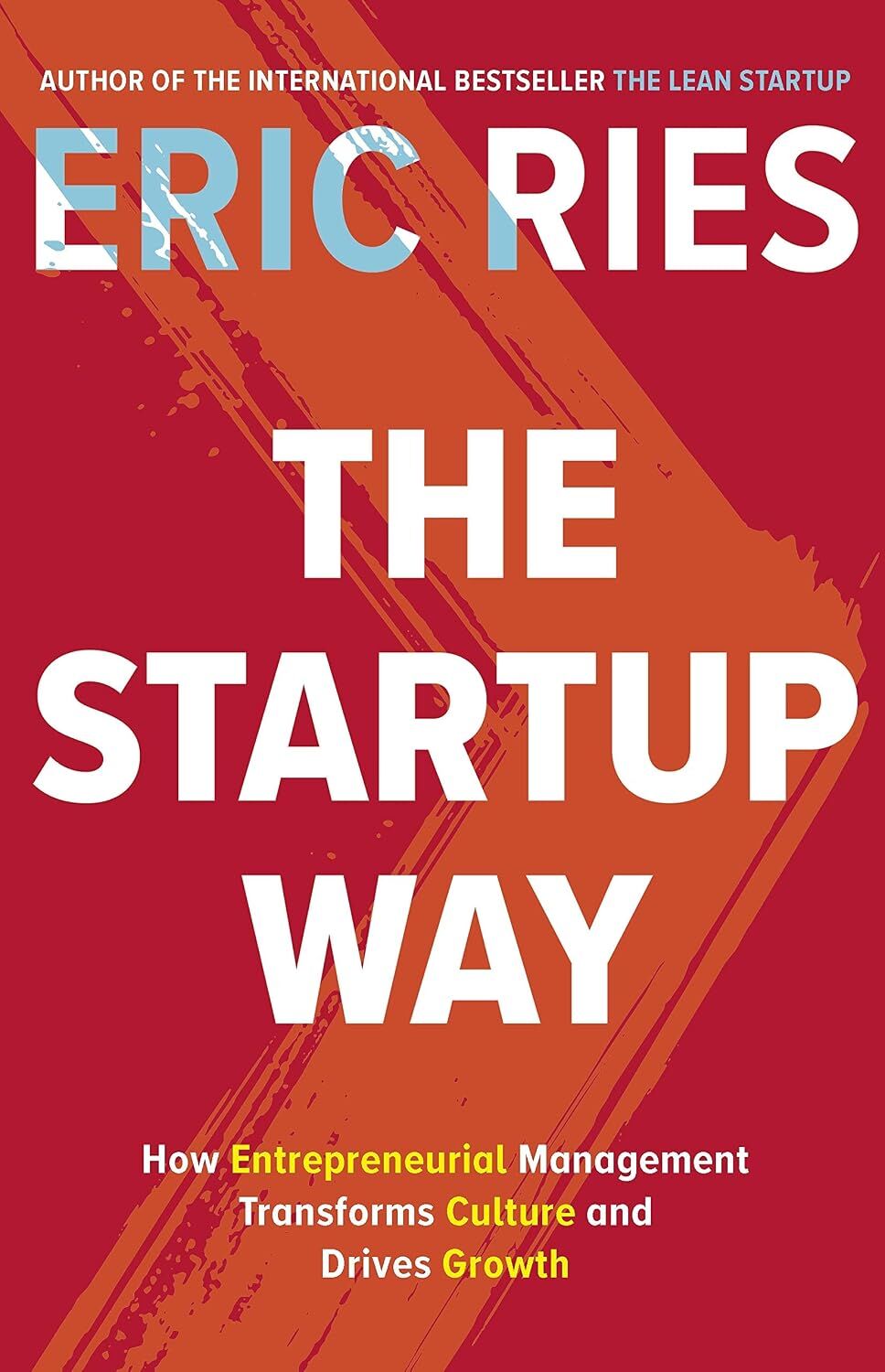
Portfolio Penguin Eric Ries Collection 2 Books Set - The Lean Startup & The Startup Way - Paperback - Business & Entrepreneurship Bundle for Founders and ManagersThis two-book collection brings together Eric Ries's most influential works on modern entrepreneurship: The Lean Startup and The Startup Way. Together they set out a rigorous, practical methodology for building successful businesses in conditions of extreme uncertainty, then show how those same lean principles can be scaled up to transform established, bureaucratic organisations. The Lean Startup introduced the world to concepts such as the minimum viable product, validated learning, and the build-measure-learn feedback loop. Drawing on his own experiences as a founder and advisor, Ries argues that startups succeed not through grand five-year plans but through rapid experimentation and continuous improvement. Ideal for founders, managers, and anyone curious about innovation, this set is a complete primer on lean thinking from the man who coined the term. The books are in brand new condition, published by Portfolio Penguin, and are suitable for adult readers.10,99 £*Shipping: 2,99 £Secure redirect to the provider
-
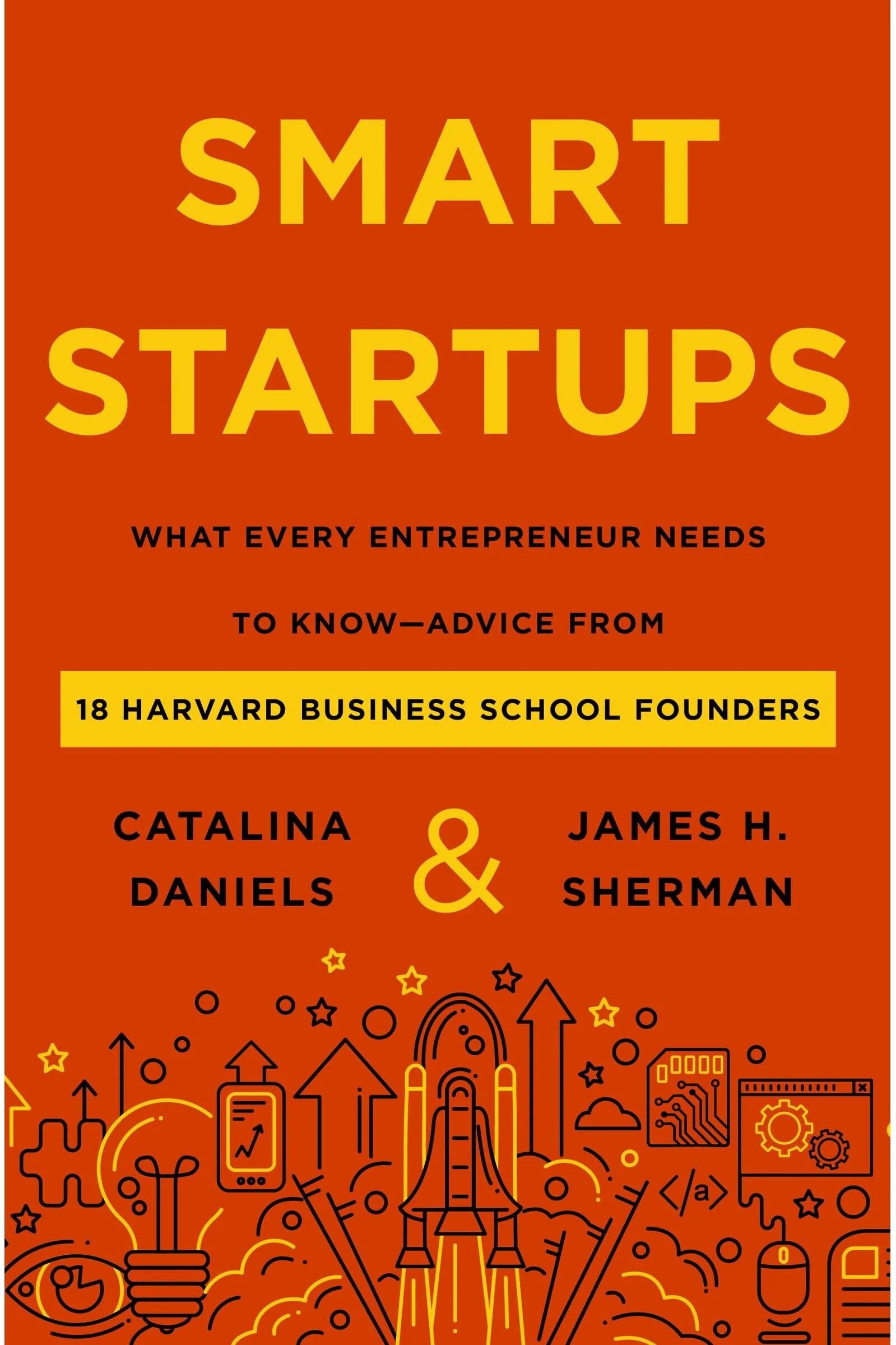
Harper Business Smart Startups: What Every Entrepreneur Needs to Know by Catalina Daniels & James H. Sherman - Hardback - Business & Entrepreneurship Non FictionSmart Startups: What Every Entrepreneur Needs to Know is a candid guide to building a company that lasts. Written by two Harvard Business School classmates turned founders and angel investors, it goes beyond classroom theory to show what actually happens inside eighteen startups launched by fellow HBS graduates. Packed with honest case studies, hard-won lessons, and unexpected pitfalls, this book is essential reading for anyone serious about turning an idea into a viable business. The authors, Catalina Daniels and James H. Sherman, met as classmates at Harvard Business School, where they studied the fundamentals of entrepreneurship together. Years later, after each had founded and exited multiple companies and become active angel investors, they discovered that their real-world experiences often diverged sharply from the conventional wisdom they learned in school.11,99 £*Shipping: 2,99 £Secure redirect to the provider


-
Isn't the NTC thermistor a semiconductor?
Yes, the NTC (Negative Temperature Coefficient) thermistor is a type of semiconductor. It is made from semiconductor materials such as metal oxides like manganese, nickel, and cobalt. The resistance of the NTC thermistor decreases as the temperature increases, making it a useful component in temperature sensing and control applications. **
-
Is the NTC thermistor not a semiconductor?
The NTC (Negative Temperature Coefficient) thermistor is indeed a semiconductor. It is made of semiconductor materials such as metal oxides like manganese, nickel, and cobalt. These materials exhibit a decrease in resistance with an increase in temperature, which is the basis of how NTC thermistors function. Therefore, NTC thermistors are considered semiconductor devices. **
-
What is an application example for NTC?
One application example for NTC (Negative Temperature Coefficient) thermistors is in temperature sensing and control systems. NTC thermistors can be used in devices such as thermostats, heaters, and air conditioners to accurately measure and regulate temperature. By monitoring the resistance changes of the NTC thermistor as temperature fluctuates, these devices can adjust their operations to maintain a desired temperature level. **
-
Can you explain the application of NTC?
NTC (Negative Temperature Coefficient) thermistors are commonly used in temperature sensing and control applications. They have a negative temperature coefficient, meaning their resistance decreases as the temperature increases. This property makes them useful for applications such as temperature measurement, temperature compensation, and temperature control in devices like thermostats, automotive engine management systems, and electronic circuits. NTC thermistors are also used in medical devices, industrial equipment, and consumer electronics for accurate temperature monitoring and control. **


What is an NTC resistor in LTspice?
An NTC (Negative Temperature Coefficient) resistor in LTspice is a type of resistor that has a resistance value that decreases as the temperature increases. This type of resistor is commonly used in temperature sensing and compensation circuits. In LTspice, an NTC resistor can be modeled using a specific component symbol and its resistance-temperature characteristics can be defined using a temperature-resistance curve. This allows for accurate simulation of circuits that incorporate NTC resistors. **
Where can I determine the NTC resistance value?
You can determine the NTC resistance value by referring to the datasheet provided by the manufacturer of the NTC thermistor. The datasheet will typically include a resistance vs. temperature curve that shows the relationship between the resistance of the NTC thermistor and the temperature. You can also use a multimeter to measure the resistance of the NTC thermistor at a specific temperature to determine its resistance value. Additionally, some NTC thermistors may have a color code or markings that can be used to determine their resistance value. **
Top-Angebote
Products related to Ntc:
-
Uplift Picks ETC 974 Digital Temperature Controller With Dual NTC Sensors ETC 974 Digital Temperature Controller With Dual NTC SensorsKeep refrigeration temperatures stable while managing cooling, defrosting, and fan operation from one compact unit. The ETC974 is a programmable refrigeration thermostat designed for coldstorage equipment and cooling systems. Two NTC probes...127,98 $*Shipping: 0,00 $Secure redirect to the provider
-
Inspire Picks ETC 974 220V Temperature Controller Dual NTC Heating & Defrost Control ETC 974 220V Temperature Controller Dual NTC Heating & Defrost ControlManage compatible refrigeration and temperaturecontrol systems with the ETC974 temperature controller. Designed for 220V applications, it supports temperature regulation along with heating and defrost control functions. Dual NTC sensors provide...71,52 $*Shipping: 0,00 $Secure redirect to the provider
-
Inspire Curations ETC 961 Digital Temperature Controller 220V With NTC Sensor 1pcKeep refrigeration equipment at the temperature you need with dependable automatic monitoring and control. The digital temperature controller uses an NTC sensor to continuously measure temperature and manage compatible refrigeration equipment. This...255,50 $*Shipping: 0,00 $Secure redirect to the provider
-
What is an NTC circuit?
An NTC (Negative Temperature Coefficient) circuit is a type of electronic circuit that uses a thermistor with a negative temperature coefficient to regulate temperature. The thermistor's resistance decreases as the temperature increases, allowing the circuit to adjust its output accordingly. NTC circuits are commonly used in applications such as temperature sensors, temperature compensation, and overcurrent protection. **
-
What is an NTC resistor?
An NTC (Negative Temperature Coefficient) resistor is a type of resistor whose resistance decreases as its temperature increases. This means that as the temperature of the NTC resistor rises, its resistance decreases, and as the temperature decreases, its resistance increases. NTC resistors are commonly used in temperature sensing and compensation applications, such as in thermostats, temperature sensors, and inrush current limiters. They are also used in electronic circuits to provide temperature compensation for components like transistors and diodes. **
-
Isn't the NTC thermistor a semiconductor?
Yes, the NTC (Negative Temperature Coefficient) thermistor is a type of semiconductor. It is made from semiconductor materials such as metal oxides like manganese, nickel, and cobalt. The resistance of the NTC thermistor decreases as the temperature increases, making it a useful component in temperature sensing and control applications. **
-
Is the NTC thermistor not a semiconductor?
The NTC (Negative Temperature Coefficient) thermistor is indeed a semiconductor. It is made of semiconductor materials such as metal oxides like manganese, nickel, and cobalt. These materials exhibit a decrease in resistance with an increase in temperature, which is the basis of how NTC thermistors function. Therefore, NTC thermistors are considered semiconductor devices. **
Similar search terms for Ntc
-
Portfolio Penguin Eric Ries Collection 2 Books Set - The Lean Startup & The Startup Way - Paperback - Business & Entrepreneurship Bundle for Founders and ManagersThis two-book collection brings together Eric Ries's most influential works on modern entrepreneurship: The Lean Startup and The Startup Way. Together they set out a rigorous, practical methodology for building successful businesses in conditions of extreme uncertainty, then show how those same lean principles can be scaled up to transform established, bureaucratic organisations. The Lean Startup introduced the world to concepts such as the minimum viable product, validated learning, and the build-measure-learn feedback loop. Drawing on his own experiences as a founder and advisor, Ries argues that startups succeed not through grand five-year plans but through rapid experimentation and continuous improvement. Ideal for founders, managers, and anyone curious about innovation, this set is a complete primer on lean thinking from the man who coined the term. The books are in brand new condition, published by Portfolio Penguin, and are suitable for adult readers.10,99 £*Shipping: 2,99 £Secure redirect to the provider
-
Harper Business Smart Startups: What Every Entrepreneur Needs to Know by Catalina Daniels & James H. Sherman - Hardback - Business & Entrepreneurship Non FictionSmart Startups: What Every Entrepreneur Needs to Know is a candid guide to building a company that lasts. Written by two Harvard Business School classmates turned founders and angel investors, it goes beyond classroom theory to show what actually happens inside eighteen startups launched by fellow HBS graduates. Packed with honest case studies, hard-won lessons, and unexpected pitfalls, this book is essential reading for anyone serious about turning an idea into a viable business. The authors, Catalina Daniels and James H. Sherman, met as classmates at Harvard Business School, where they studied the fundamentals of entrepreneurship together. Years later, after each had founded and exited multiple companies and become active angel investors, they discovered that their real-world experiences often diverged sharply from the conventional wisdom they learned in school.11,99 £*Shipping: 2,99 £Secure redirect to the provider
-
Self Made: The definitive guide to business startup success by Bianca Miller-ColeDescription. SELF-MADE IS A TRULY DEFINITIVE GUIDE; A 'GO-TO' BOOK FOR ALL ENTREPRENEURS AT ANY STAGE OF BUSINESS.. This authoritative, focused guide by two of the UK's brightest young entrepreneurs - The Apprentice runner-up, Bianca Miller and serial entrepreneur, Byron Cole - is a comprehensive toolkit for anyone who wants to make a success of running their own business. Featuring interviews with well known entrepreneurs, entertainers and industry experts, the book covers every tier of the business development process, from start-up to exit, offering practical, implementable and global advice on the start up process.. De-coding the jargon that is prevalent in business circles today, this book provides straightforward advice on converting an innovative business concept into a commercially viable proposition. It will help you to avoid the costly common mistakes of many who have gone before you, and create a sustainable enterprise that will flourish.. Title. Self Made: The definitive guide to business startup success by Bianca Miller-Cole. Delivery. Content. Reviews10,11 £*Shipping: 2,99 £Secure redirect to the provider
-
Hay House Uk She Means Business: Turn Your Ideas Into Reality And Become A Wildly Successful Entrepreneur - Non FictionTitle:. She Means Business: Turn Your Ideas Into Reality And Become A Wildly Successful Entrepreneur Format: Paperback. Overview:. She Means Business: Turn Your Ideas Into Reality And Become A Wildly Successful Entrepreneur stands as the definitive playbook for women poised to bridge the critical gap between dreaming and executing. Crafted by industry expert and mentor Katie Kresser, this high-energy non-fiction guide dismantles the persistent myths surrounding business success, replacing them with a rigorous, step-by-step framework designed for real-world implementation. Moving far beyond abstract motivation or fleeting inspiration, the book tackles the gritty, operational realities of launching a venture. Readers are guided through the essential processes of validating concepts before committing valuable resources, identifying scalable opportunities, and building robust systems that support growth. The narrative empowers women to transform raw ambition into tangible products and services that generate genuine, sustainable revenue. At its core, the message is unequivocal: success is not a product of luck or exclusive networking; it is the result of deliberate action, resilient thinking, and strategic foresight. 'She Means Business' offers a holistic approach where passion aligns seamlessly with profitability, ensuring that entrepreneurial journeys remain vibrant and viable for the long haul. What Makes This Book Stand Out:. Unlike generic corporate manuals or diluted self-help collections, this volume speaks directly to the unique psychological and practical hurdles faced by female founders and innovators. It distinguishes itself by demystifying complex business mechanics without sacrificing depth, translating jargon-free insights into immediate, actionable items. The content excels at addressing the internal blocks that frequently stall progress, such as perfectionism, the trap of comparison culture, and the paralyzing fear of public judgment. Katie provides tailored tactics to build unshakeable confidence while simultaneously sharpening commercial acumen and financial literacy. Every chapter functions almost like a workshop session, prompting readers to assess their current positioning, expose hidden liabilities, and design concrete next steps. The emphasis on reaching 'wild success' redefines achievement not merely as survival or side-income, but as creating abundant impact, financial freedom, and a lasting legacy. By merging mindset elevation with operational precision, the book serves as both a mirror for honest self-reflection and a compass for navigation, making it an indispensable asset for any woman determined to build a formidable empire. Who This Book Is Perfect For:. This guide resonates deeply with aspiring entrepreneurs who have nurtured a business concept for years yet struggle to cross the threshold from consideration to action. It is perfectly suited for side-hustlers looking to monetise their skills and transition into...14,99 £*Shipping: 2,99 £Secure redirect to the provider
-
What is an application example for NTC?
One application example for NTC (Negative Temperature Coefficient) thermistors is in temperature sensing and control systems. NTC thermistors can be used in devices such as thermostats, heaters, and air conditioners to accurately measure and regulate temperature. By monitoring the resistance changes of the NTC thermistor as temperature fluctuates, these devices can adjust their operations to maintain a desired temperature level. **
-
Can you explain the application of NTC?
NTC (Negative Temperature Coefficient) thermistors are commonly used in temperature sensing and control applications. They have a negative temperature coefficient, meaning their resistance decreases as the temperature increases. This property makes them useful for applications such as temperature measurement, temperature compensation, and temperature control in devices like thermostats, automotive engine management systems, and electronic circuits. NTC thermistors are also used in medical devices, industrial equipment, and consumer electronics for accurate temperature monitoring and control. **
-
What is an NTC resistor in LTspice?
An NTC (Negative Temperature Coefficient) resistor in LTspice is a type of resistor that has a resistance value that decreases as the temperature increases. This type of resistor is commonly used in temperature sensing and compensation circuits. In LTspice, an NTC resistor can be modeled using a specific component symbol and its resistance-temperature characteristics can be defined using a temperature-resistance curve. This allows for accurate simulation of circuits that incorporate NTC resistors. **
-
Where can I determine the NTC resistance value?
You can determine the NTC resistance value by referring to the datasheet provided by the manufacturer of the NTC thermistor. The datasheet will typically include a resistance vs. temperature curve that shows the relationship between the resistance of the NTC thermistor and the temperature. You can also use a multimeter to measure the resistance of the NTC thermistor at a specific temperature to determine its resistance value. Additionally, some NTC thermistors may have a color code or markings that can be used to determine their resistance value. **
* All prices are inclusive of VAT and, if applicable, plus shipping costs. The offer information is based on the details provided by the respective shop and is updated through automated processes. Real-time updates do not occur, so deviations can occur in individual cases. ** Note: Parts of this content were created by AI.