Buy projektstarter.eu ?
We are moving the project
projektstarter.eu .
Are you interested in purchasing the domain
projektstarter.eu ?
domain@kv-gmbh.de · 0541-91531010
Buy projektstarter.eu ?
Which printing ink is used for linocut printing?
Linocut printing typically uses oil-based printing ink. This type of ink is preferred for linocut printing because it has a thick consistency that allows for easy application onto the linoleum block. Additionally, oil-based ink dries slowly, which gives the artist more time to work with the image and create the desired effects. This type of ink also provides a rich and vibrant color when printed onto paper. **
What printing methods are there for printing handbags?
There are several printing methods for printing handbags, including screen printing, digital printing, and heat transfer printing. Screen printing involves using a stencil to transfer ink onto the handbag material, while digital printing uses a computer to directly print designs onto the material. Heat transfer printing involves using heat and pressure to transfer a design from a special paper onto the handbag material. Each method has its own advantages and is chosen based on factors such as the material of the handbag and the complexity of the design. **


Similar search terms for Printing
Top-Angebote
Products related to Printing:
-
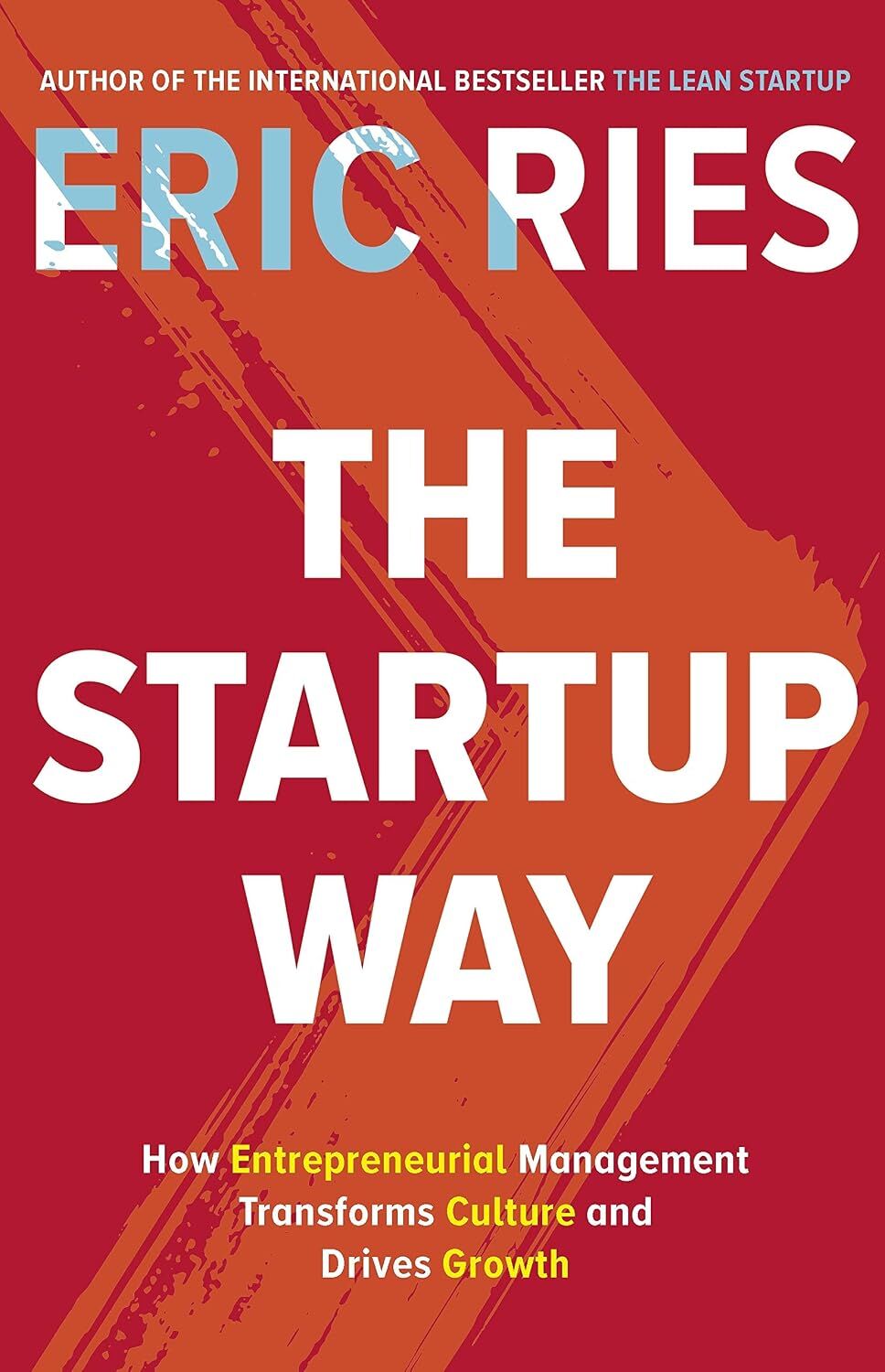
Portfolio Penguin Eric Ries Collection 2 Books Set - The Lean Startup & The Startup Way - Paperback - Business & Entrepreneurship Bundle for Founders and ManagersThis two-book collection brings together Eric Ries's most influential works on modern entrepreneurship: The Lean Startup and The Startup Way. Together they set out a rigorous, practical methodology for building successful businesses in conditions of extreme uncertainty, then show how those same lean principles can be scaled up to transform established, bureaucratic organisations. The Lean Startup introduced the world to concepts such as the minimum viable product, validated learning, and the build-measure-learn feedback loop. Drawing on his own experiences as a founder and advisor, Ries argues that startups succeed not through grand five-year plans but through rapid experimentation and continuous improvement. Ideal for founders, managers, and anyone curious about innovation, this set is a complete primer on lean thinking from the man who coined the term. The books are in brand new condition, published by Portfolio Penguin, and are suitable for adult readers.10,99 £*Shipping: 2,99 £Secure redirect to the provider
-
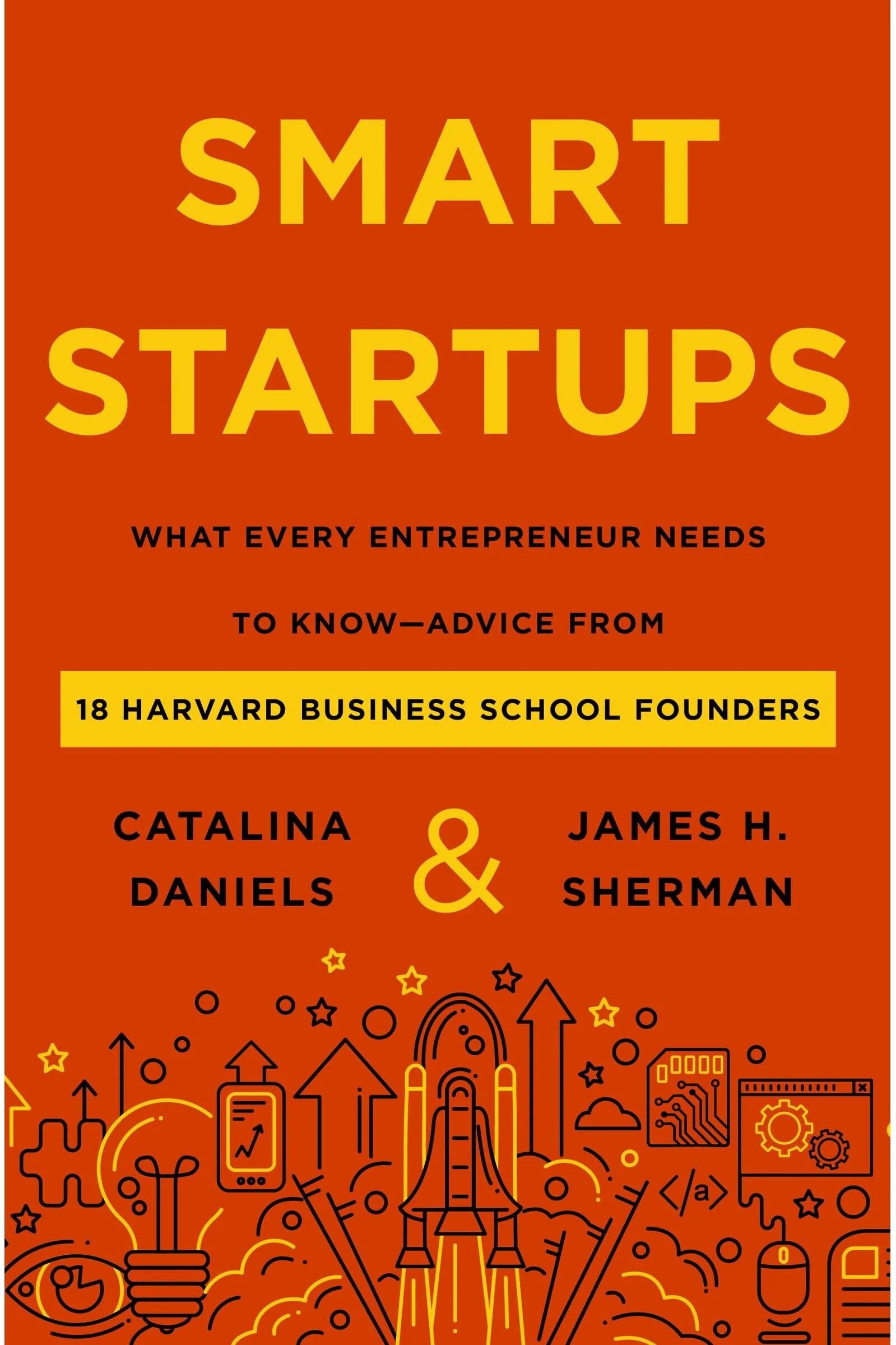
Harper Business Smart Startups: What Every Entrepreneur Needs to Know by Catalina Daniels & James H. Sherman - Hardback - Business & Entrepreneurship Non FictionSmart Startups: What Every Entrepreneur Needs to Know is a candid guide to building a company that lasts. Written by two Harvard Business School classmates turned founders and angel investors, it goes beyond classroom theory to show what actually happens inside eighteen startups launched by fellow HBS graduates. Packed with honest case studies, hard-won lessons, and unexpected pitfalls, this book is essential reading for anyone serious about turning an idea into a viable business. The authors, Catalina Daniels and James H. Sherman, met as classmates at Harvard Business School, where they studied the fundamentals of entrepreneurship together. Years later, after each had founded and exited multiple companies and become active angel investors, they discovered that their real-world experiences often diverged sharply from the conventional wisdom they learned in school.11,99 £*Shipping: 2,99 £Secure redirect to the provider
-
Self Made: The definitive guide to business startup success by Bianca Miller-ColeDescription. SELF-MADE IS A TRULY DEFINITIVE GUIDE; A 'GO-TO' BOOK FOR ALL ENTREPRENEURS AT ANY STAGE OF BUSINESS.. This authoritative, focused guide by two of the UK's brightest young entrepreneurs - The Apprentice runner-up, Bianca Miller and serial entrepreneur, Byron Cole - is a comprehensive toolkit for anyone who wants to make a success of running their own business. Featuring interviews with well known entrepreneurs, entertainers and industry experts, the book covers every tier of the business development process, from start-up to exit, offering practical, implementable and global advice on the start up process.. De-coding the jargon that is prevalent in business circles today, this book provides straightforward advice on converting an innovative business concept into a commercially viable proposition. It will help you to avoid the costly common mistakes of many who have gone before you, and create a sustainable enterprise that will flourish.. Title. Self Made: The definitive guide to business startup success by Bianca Miller-Cole. Delivery. Content. Reviews10,11 £*Shipping: 2,99 £Secure redirect to the provider
-
Hay House Uk She Means Business: Turn Your Ideas Into Reality And Become A Wildly Successful Entrepreneur - Non FictionTitle:. She Means Business: Turn Your Ideas Into Reality And Become A Wildly Successful Entrepreneur Format: Paperback. Overview:. She Means Business: Turn Your Ideas Into Reality And Become A Wildly Successful Entrepreneur stands as the definitive playbook for women poised to bridge the critical gap between dreaming and executing. Crafted by industry expert and mentor Katie Kresser, this high-energy non-fiction guide dismantles the persistent myths surrounding business success, replacing them with a rigorous, step-by-step framework designed for real-world implementation. Moving far beyond abstract motivation or fleeting inspiration, the book tackles the gritty, operational realities of launching a venture. Readers are guided through the essential processes of validating concepts before committing valuable resources, identifying scalable opportunities, and building robust systems that support growth. The narrative empowers women to transform raw ambition into tangible products and services that generate genuine, sustainable revenue. At its core, the message is unequivocal: success is not a product of luck or exclusive networking; it is the result of deliberate action, resilient thinking, and strategic foresight. 'She Means Business' offers a holistic approach where passion aligns seamlessly with profitability, ensuring that entrepreneurial journeys remain vibrant and viable for the long haul. What Makes This Book Stand Out:. Unlike generic corporate manuals or diluted self-help collections, this volume speaks directly to the unique psychological and practical hurdles faced by female founders and innovators. It distinguishes itself by demystifying complex business mechanics without sacrificing depth, translating jargon-free insights into immediate, actionable items. The content excels at addressing the internal blocks that frequently stall progress, such as perfectionism, the trap of comparison culture, and the paralyzing fear of public judgment. Katie provides tailored tactics to build unshakeable confidence while simultaneously sharpening commercial acumen and financial literacy. Every chapter functions almost like a workshop session, prompting readers to assess their current positioning, expose hidden liabilities, and design concrete next steps. The emphasis on reaching 'wild success' redefines achievement not merely as survival or side-income, but as creating abundant impact, financial freedom, and a lasting legacy. By merging mindset elevation with operational precision, the book serves as both a mirror for honest self-reflection and a compass for navigation, making it an indispensable asset for any woman determined to build a formidable empire. Who This Book Is Perfect For:. This guide resonates deeply with aspiring entrepreneurs who have nurtured a business concept for years yet struggle to cross the threshold from consideration to action. It is perfectly suited for side-hustlers looking to monetise their skills and transition into...14,99 £*Shipping: 2,99 £Secure redirect to the provider


-
What are the printing substrates and printing materials used in the following printing processes?
In offset printing, the printing substrate is typically paper or cardboard, while the printing materials are ink and a printing plate. In digital printing, the substrate can vary and include paper, plastic, fabric, or even metal, and the printing materials are toner or liquid ink. In flexography, the substrate is usually flexible and can include paper, plastic, or cellophane, and the printing materials are liquid inks. In gravure printing, the substrate can be paper, plastic, or metal, and the printing materials are liquid inks. **
-
What is the difference between printing and printing out?
Printing refers to the process of producing text or images on paper or other materials using a printer. On the other hand, printing out specifically refers to the action of sending a document or file to a printer to produce a physical copy. In essence, printing is a broader term that encompasses the entire process of producing printed materials, while printing out is a specific action within that process. **
-
Which printing process is used in digital book printing?
Digital book printing typically uses the process of digital printing, which involves transferring digital files directly onto the printing substrate. This process eliminates the need for traditional printing plates and allows for more efficient and cost-effective production of books. Digital printing also offers the flexibility to print small runs and customize each book, making it ideal for on-demand and self-publishing needs. **
-
Is printing in Economode a weaker way of printing?
Printing in Economode is not necessarily a weaker way of printing, but rather a more efficient and economical way. Economode is a feature on printers that reduces the amount of ink or toner used, resulting in lower printing costs. While the print quality may be slightly lower in Economode, it is still suitable for everyday printing needs. Ultimately, the decision to use Economode depends on the specific printing requirements and the balance between cost and quality. **
What is the difference between flex printing and screen printing?
Flex printing is a digital printing technique where the design is first created on a computer and then printed onto a special type of vinyl material, which is then heat-pressed onto the fabric. On the other hand, screen printing involves creating a stencil of the design on a mesh screen, which is then used to transfer ink onto the fabric by pressing the ink through the screen. Flex printing is better suited for detailed designs and smaller quantities, while screen printing is more cost-effective for larger quantities and simpler designs. Additionally, flex printing results in a smoother finish, while screen printing can create a thicker layer of ink on the fabric. **
What is the difference between flex printing and digital printing?
Flex printing is a process that uses a flexible material, such as vinyl, to print designs onto various surfaces, including banners, billboards, and vehicle wraps. It is a cost-effective option for large-scale printing and is known for its durability and weather resistance. On the other hand, digital printing involves using a digital file to directly print designs onto a variety of materials, such as paper, fabric, and plastic. It is a more versatile and precise method of printing, allowing for high-quality, detailed prints with a wide range of colors. Overall, the main difference between flex printing and digital printing lies in the materials used and the scale of the printing projects. **
Top-Angebote
Products related to Printing:
-
Tools, Home & Hobby Screen Printing Kit With Aluminum Frames And DIY T Shirt Printing Supplies Screen Printing Kit With Aluminum Frames And DIY T Shirt Printing SuppliesCreate custom designs with confidence and bring your creative ideas to life with this complete screen printing solution. The VEVOR Screen Printing Kit includes multiple aluminum frames, printing tools, and accessories designed for beginners,...79,97 $*Shipping: 0,00 $Secure redirect to the provider
-
Portfolio Penguin Eric Ries Collection 2 Books Set - The Lean Startup & The Startup Way - Paperback - Business & Entrepreneurship Bundle for Founders and ManagersThis two-book collection brings together Eric Ries's most influential works on modern entrepreneurship: The Lean Startup and The Startup Way. Together they set out a rigorous, practical methodology for building successful businesses in conditions of extreme uncertainty, then show how those same lean principles can be scaled up to transform established, bureaucratic organisations. The Lean Startup introduced the world to concepts such as the minimum viable product, validated learning, and the build-measure-learn feedback loop. Drawing on his own experiences as a founder and advisor, Ries argues that startups succeed not through grand five-year plans but through rapid experimentation and continuous improvement. Ideal for founders, managers, and anyone curious about innovation, this set is a complete primer on lean thinking from the man who coined the term. The books are in brand new condition, published by Portfolio Penguin, and are suitable for adult readers.10,99 £*Shipping: 2,99 £Secure redirect to the provider
-
Harper Business Smart Startups: What Every Entrepreneur Needs to Know by Catalina Daniels & James H. Sherman - Hardback - Business & Entrepreneurship Non FictionSmart Startups: What Every Entrepreneur Needs to Know is a candid guide to building a company that lasts. Written by two Harvard Business School classmates turned founders and angel investors, it goes beyond classroom theory to show what actually happens inside eighteen startups launched by fellow HBS graduates. Packed with honest case studies, hard-won lessons, and unexpected pitfalls, this book is essential reading for anyone serious about turning an idea into a viable business. The authors, Catalina Daniels and James H. Sherman, met as classmates at Harvard Business School, where they studied the fundamentals of entrepreneurship together. Years later, after each had founded and exited multiple companies and become active angel investors, they discovered that their real-world experiences often diverged sharply from the conventional wisdom they learned in school.11,99 £*Shipping: 2,99 £Secure redirect to the provider
-
Which printing ink is used for linocut printing?
Linocut printing typically uses oil-based printing ink. This type of ink is preferred for linocut printing because it has a thick consistency that allows for easy application onto the linoleum block. Additionally, oil-based ink dries slowly, which gives the artist more time to work with the image and create the desired effects. This type of ink also provides a rich and vibrant color when printed onto paper. **
-
What printing methods are there for printing handbags?
There are several printing methods for printing handbags, including screen printing, digital printing, and heat transfer printing. Screen printing involves using a stencil to transfer ink onto the handbag material, while digital printing uses a computer to directly print designs onto the material. Heat transfer printing involves using heat and pressure to transfer a design from a special paper onto the handbag material. Each method has its own advantages and is chosen based on factors such as the material of the handbag and the complexity of the design. **
-
What are the printing substrates and printing materials used in the following printing processes?
In offset printing, the printing substrate is typically paper or cardboard, while the printing materials are ink and a printing plate. In digital printing, the substrate can vary and include paper, plastic, fabric, or even metal, and the printing materials are toner or liquid ink. In flexography, the substrate is usually flexible and can include paper, plastic, or cellophane, and the printing materials are liquid inks. In gravure printing, the substrate can be paper, plastic, or metal, and the printing materials are liquid inks. **
-
What is the difference between printing and printing out?
Printing refers to the process of producing text or images on paper or other materials using a printer. On the other hand, printing out specifically refers to the action of sending a document or file to a printer to produce a physical copy. In essence, printing is a broader term that encompasses the entire process of producing printed materials, while printing out is a specific action within that process. **
Similar search terms for Printing
-
Self Made: The definitive guide to business startup success by Bianca Miller-ColeDescription. SELF-MADE IS A TRULY DEFINITIVE GUIDE; A 'GO-TO' BOOK FOR ALL ENTREPRENEURS AT ANY STAGE OF BUSINESS.. This authoritative, focused guide by two of the UK's brightest young entrepreneurs - The Apprentice runner-up, Bianca Miller and serial entrepreneur, Byron Cole - is a comprehensive toolkit for anyone who wants to make a success of running their own business. Featuring interviews with well known entrepreneurs, entertainers and industry experts, the book covers every tier of the business development process, from start-up to exit, offering practical, implementable and global advice on the start up process.. De-coding the jargon that is prevalent in business circles today, this book provides straightforward advice on converting an innovative business concept into a commercially viable proposition. It will help you to avoid the costly common mistakes of many who have gone before you, and create a sustainable enterprise that will flourish.. Title. Self Made: The definitive guide to business startup success by Bianca Miller-Cole. Delivery. Content. Reviews10,11 £*Shipping: 2,99 £Secure redirect to the provider
-
Hay House Uk She Means Business: Turn Your Ideas Into Reality And Become A Wildly Successful Entrepreneur - Non FictionTitle:. She Means Business: Turn Your Ideas Into Reality And Become A Wildly Successful Entrepreneur Format: Paperback. Overview:. She Means Business: Turn Your Ideas Into Reality And Become A Wildly Successful Entrepreneur stands as the definitive playbook for women poised to bridge the critical gap between dreaming and executing. Crafted by industry expert and mentor Katie Kresser, this high-energy non-fiction guide dismantles the persistent myths surrounding business success, replacing them with a rigorous, step-by-step framework designed for real-world implementation. Moving far beyond abstract motivation or fleeting inspiration, the book tackles the gritty, operational realities of launching a venture. Readers are guided through the essential processes of validating concepts before committing valuable resources, identifying scalable opportunities, and building robust systems that support growth. The narrative empowers women to transform raw ambition into tangible products and services that generate genuine, sustainable revenue. At its core, the message is unequivocal: success is not a product of luck or exclusive networking; it is the result of deliberate action, resilient thinking, and strategic foresight. 'She Means Business' offers a holistic approach where passion aligns seamlessly with profitability, ensuring that entrepreneurial journeys remain vibrant and viable for the long haul. What Makes This Book Stand Out:. Unlike generic corporate manuals or diluted self-help collections, this volume speaks directly to the unique psychological and practical hurdles faced by female founders and innovators. It distinguishes itself by demystifying complex business mechanics without sacrificing depth, translating jargon-free insights into immediate, actionable items. The content excels at addressing the internal blocks that frequently stall progress, such as perfectionism, the trap of comparison culture, and the paralyzing fear of public judgment. Katie provides tailored tactics to build unshakeable confidence while simultaneously sharpening commercial acumen and financial literacy. Every chapter functions almost like a workshop session, prompting readers to assess their current positioning, expose hidden liabilities, and design concrete next steps. The emphasis on reaching 'wild success' redefines achievement not merely as survival or side-income, but as creating abundant impact, financial freedom, and a lasting legacy. By merging mindset elevation with operational precision, the book serves as both a mirror for honest self-reflection and a compass for navigation, making it an indispensable asset for any woman determined to build a formidable empire. Who This Book Is Perfect For:. This guide resonates deeply with aspiring entrepreneurs who have nurtured a business concept for years yet struggle to cross the threshold from consideration to action. It is perfectly suited for side-hustlers looking to monetise their skills and transition into...14,99 £*Shipping: 2,99 £Secure redirect to the provider
-
Which printing process is used in digital book printing?
Digital book printing typically uses the process of digital printing, which involves transferring digital files directly onto the printing substrate. This process eliminates the need for traditional printing plates and allows for more efficient and cost-effective production of books. Digital printing also offers the flexibility to print small runs and customize each book, making it ideal for on-demand and self-publishing needs. **
-
Is printing in Economode a weaker way of printing?
Printing in Economode is not necessarily a weaker way of printing, but rather a more efficient and economical way. Economode is a feature on printers that reduces the amount of ink or toner used, resulting in lower printing costs. While the print quality may be slightly lower in Economode, it is still suitable for everyday printing needs. Ultimately, the decision to use Economode depends on the specific printing requirements and the balance between cost and quality. **
-
What is the difference between flex printing and screen printing?
Flex printing is a digital printing technique where the design is first created on a computer and then printed onto a special type of vinyl material, which is then heat-pressed onto the fabric. On the other hand, screen printing involves creating a stencil of the design on a mesh screen, which is then used to transfer ink onto the fabric by pressing the ink through the screen. Flex printing is better suited for detailed designs and smaller quantities, while screen printing is more cost-effective for larger quantities and simpler designs. Additionally, flex printing results in a smoother finish, while screen printing can create a thicker layer of ink on the fabric. **
-
What is the difference between flex printing and digital printing?
Flex printing is a process that uses a flexible material, such as vinyl, to print designs onto various surfaces, including banners, billboards, and vehicle wraps. It is a cost-effective option for large-scale printing and is known for its durability and weather resistance. On the other hand, digital printing involves using a digital file to directly print designs onto a variety of materials, such as paper, fabric, and plastic. It is a more versatile and precise method of printing, allowing for high-quality, detailed prints with a wide range of colors. Overall, the main difference between flex printing and digital printing lies in the materials used and the scale of the printing projects. **
* All prices are inclusive of VAT and, if applicable, plus shipping costs. The offer information is based on the details provided by the respective shop and is updated through automated processes. Real-time updates do not occur, so deviations can occur in individual cases. ** Note: Parts of this content were created by AI.